
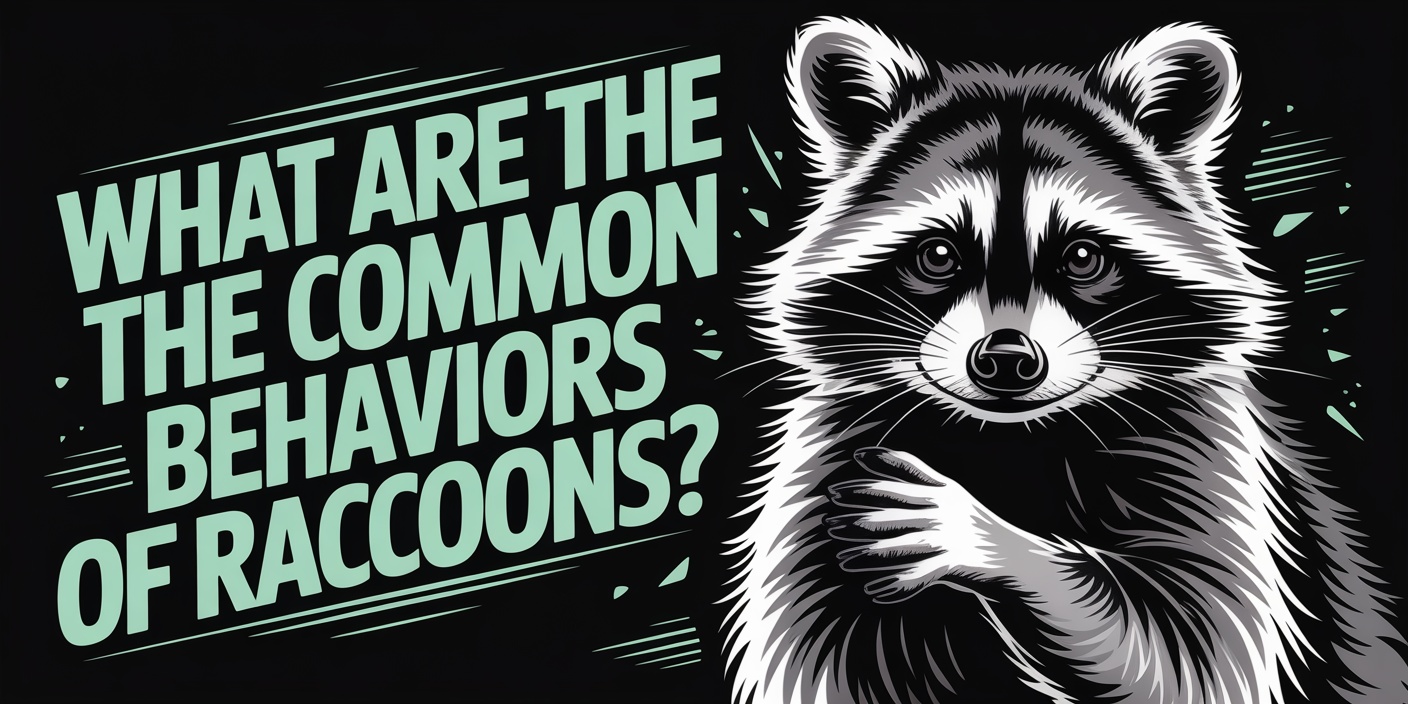
“Raccoons are nocturnal, intelligent animals with sharp problem-solving skills. They often raid trash or sneak into attics in search of food and shelter.”
If you’ve ever heard strange noises in the night or found your trash can mysteriously toppled over, there’s a good chance a raccoon was the culprit. These masked mammals are common in both rural and urban areas, and they’ve adapted remarkably well to living alongside humans.
Known for their intelligence and dexterity, raccoons often get into places they shouldn’t, especially when food or shelter is involved. At AAAC Wildlife Removal, we understand how frustrating it can be to deal with raccoon activity around your home or business.
If you’ve been searching for raccoon removal near me, our expert team is ready to help with fast, humane, and effective solutions. That’s why it’s important to understand their behavior. Knowing what makes raccoons tick can help you spot early warning signs, protect your property, and take the right steps to safely remove them before they cause costly damage.
Learn more: What are the predators of raccoons?
Common Raccoon Behaviors That Homeowners Should Know About
Nocturnal Foraging Habits
Raccoons are true night dwellers, often beginning their activity just after sunset and staying busy until the early morning hours. This nocturnal routine helps them avoid natural predators and human interference, making it easier for them to explore neighborhoods and scavenge for food.
They’re opportunistic feeders, meaning they’ll eat just about anything they can find, fruits, vegetables, insects, small animals, pet food, and especially unsecured garbage. Their keen sense of smell helps them track down food sources quickly, even from a distance, which is why a single raccoon can become a repeat visitor if your trash can isn’t tightly sealed.
Their nighttime foraging isn’t just limited to ground-level exploration. Raccoons are excellent climbers and can easily scale fences, walls, or trees to access attics, rooftops, or bird feeders. Once they’ve found a reliable source of food, they often return to the same spot regularly, turning a one-time nuisance into a recurring problem.
This behavior can lead to property damage, scattered trash, and potential health hazards if not addressed. For homeowners, spotting signs of nocturnal raccoon activity early on is key to preventing long-term issues, and that’s where a professional service like AAAC Wildlife Removal can step in to help.
Remarkable Dexterity and Problem-Solving Skills
One of the most fascinating (and frustrating) traits of raccoons is their incredible dexterity. Their front paws are incredibly nimble, almost like tiny hands, allowing them to open latches, turn knobs, untie cords, and even manipulate complex objects.
This natural ability makes them expert scavengers and escape artists, capable of accessing garbage bins, pet doors, and even crawl spaces that many other animals wouldn’t be able to breach. Homeowners often underestimate just how clever raccoons can be until they witness one effortlessly unlatching a supposedly “animal-proof” trash can.
Beyond just physical skill, raccoons are also highly intelligent problem-solvers. They’ve been observed remembering solutions to tasks for extended periods, which means if they figure out how to get into your attic once, they’ll likely do it again. Their curiosity drives them to explore and test new environments, especially if food or shelter is involved.
This combination of cleverness and coordination can lead to property damage and repeated intrusions if their access points aren’t properly secured. At AAAC Wildlife Removal, we often encounter homeowners who are surprised to learn just how resourceful these animals can be.
Nesting in Warm, Sheltered Spaces
Raccoons are always on the lookout for safe, quiet places to build their dens, especially during colder months or breeding season. In the wild, they may use hollow trees or rock crevices, but in urban and suburban settings, they often target chimneys, attics, crawl spaces, and even sheds.
These areas provide protection from weather, predators, and noise, making them ideal spots to raise young. Once inside, they may tear insulation, chew wires, or damage air ducts to make the space more comfortable for nesting.
This behavior can cause significant headaches for homeowners, particularly when baby raccoons are involved. A mother raccoon can be fiercely protective and may become aggressive if she feels her den site is threatened. Nesting also means repeated activity, including dragging in leaves, debris, and food scraps, which leads to foul odors and sanitation concerns.
At AAAC Wildlife Removal, we prioritize humane and safe removal, followed by proper exclusion techniques to make sure raccoons don’t return to reclaim their cozy hideouts.
Vocal and Social Communication
Raccoons may be sneaky, but they’re far from silent. These animals use a wide range of vocalizations to express themselves, from growls and hisses to chirps, purrs, and even whimpers. Each sound has a purpose, warning others, calling to their young, or responding to threats.
If you hear strange chattering or screeching noises around your property at night, it could be a raccoon family communicating nearby. These vocal cues often become more noticeable during mating season or when young kits are present in a den.
While male raccoons are generally solitary, females are more social, especially when raising their offspring. They may share territory with related females or gather temporarily around abundant food sources. This social dynamic can lead to groups of raccoons moving into the same neighborhood, multiplying the potential for disturbances and property damage.
Understanding these communication habits can help homeowners identify raccoon activity early, and contacting AAAC Wildlife Removal ensures the issue is resolved safely, before it escalates.
Expert Climbing and Access Skills
Raccoons are natural-born climbers with strong limbs, sharp claws, and incredible balance. They can scale trees, fences, walls, and even vertical drainpipes with ease, making it simple for them to reach rooftops and attic vents. This climbing ability often surprises homeowners, especially when raccoons find their way into areas that seem completely out of reach.
It’s not uncommon for raccoons to slip into homes through roof gaps, loose shingles, or uncovered chimneys while searching for shelter. Their agility gives them a major advantage in urban environments where rooftops and structures are close together. Once they gain access, raccoons can pry open soffits or vents to create entry points and may return repeatedly if the opening isn’t sealed.
This behavior highlights why basic yard cleanup isn’t always enough, you need a full property inspection to find and secure vulnerable access points. At AAAC Wildlife Removal, we specialize in locating these sneaky entryways and implementing long-term exclusion solutions to keep your home raccoon-free.
Seasonal Denning and Torpor Behavior
In colder climates or during winter months, raccoons don’t hibernate like some animals, but they do enter a state known as torpor. This is a period of light dormancy where they remain in their den for days or even weeks at a time, conserving energy and body heat.
During this time, raccoons will only emerge if temperatures rise enough for safe foraging. Homeowners may not notice raccoon activity during these quiet periods, which can give the false impression that the animals have moved on.
However, once the weather warms up, raccoons become active again, often returning to the same den sites they used before. This cycle of dormancy and reactivation can lead to repeat problems if the original entry point isn’t sealed or repaired.
Raccoons are creatures of habit, and they’ll reuse dens that offer security and warmth year after year. That’s why AAAC Wildlife Removal not only removes wildlife but also provides full property exclusion to prevent seasonal re-entry and protect your home long-term.
Habitual Behavior and Territory Marking
Raccoons are highly territorial animals and tend to stick to familiar routes and den sites once they find a reliable area with food, water, and shelter. They establish a “home range,” which they patrol regularly, often leaving behind signs such as paw prints, droppings, and scent markings.
These markings help them communicate with other raccoons and signal that a space is already claimed. Once they’ve settled into a location, raccoons are likely to return unless strong deterrents or physical barriers are put in place.
Their territorial loyalty makes it especially important to address raccoon issues quickly and thoroughly. Even after removal, if the scent remains or access points are left open, new raccoons may take over the same space.
That’s why our team at AAAC Wildlife Removal not only focuses on safe animal removal but also deep cleaning and exclusion efforts to break the cycle of return visits. Proper cleanup and prevention are essential for keeping raccoons from making your property a permanent stop in their nightly rounds.
Tips to Prevent Raccoon Intrusion and Problematic Behavior
Raccoons are smart and determined, but with a few proactive measures, you can keep them from turning your home into their playground. Here are some effective tips to discourage raccoon activity:
- Secure your trash bins with tight-fitting lids or raccoon-proof containers, and avoid putting garbage out the night before pickup.
- Remove outdoor food sources such as pet food, bird seed, compost, and fallen fruit from trees.
- Install motion-activated lights or sprinklers to startle raccoons and make your yard less welcoming at night.
- Inspect your home’s exterior for entry points, especially around the roof, attic vents, soffits, and chimneys.
- Use chimney caps and wire mesh to seal off openings raccoons might use for nesting.
- Trim back tree branches that hang near your roof to prevent raccoons from climbing onto your home.
- Schedule a professional property inspection with AAAC Wildlife Removal to identify vulnerabilities and apply exclusion solutions.
Taking these steps early can save you the hassle of future invasions and keep your home raccoon-free year-round.
Don’t Let Raccoons Take Over Your Home!
If you’re hearing strange noises at night, spotting knocked-over trash cans, or seeing paw prints near your attic or crawl space, it’s time to take action. Raccoons may seem harmless at first glance, but their behavior can quickly lead to damaged property, foul odors, and health risks for you and your family. Ignoring the problem can make things worse, especially if a raccoon decides your home is the perfect place to raise its young.
At AAAC Wildlife Removal, we specialize in safe, humane raccoon removal and long-term prevention solutions tailored to your property. Our trained technicians will inspect your home, identify entry points, and implement exclusion methods to make sure raccoons can’t come back. Whether you’ve just spotted signs of activity or you’re dealing with a full-blown invasion, we’ve got the tools and experience to handle it all.
Call us now or schedule a professional inspection online to protect your home, your health, and your peace of mind. Don’t wait for more damage, let AAAC Wildlife Removal help you take back control.